

South Africa has some of the most impressive trees in the world and they bring in tourist from all over the globe. It is not a surprise to us all how important trees are for ecosystems, and the entire world. However, some trees have unique characteristics that could shock you. Did you know that there is a tree in South Africa that is so dangerous it could blind you? Or that there is a tree that bleeds when cut? Well, below we have three unique trees that could be seen as…the good, bad and the eerie…
The good– Baobab (Adansonia)
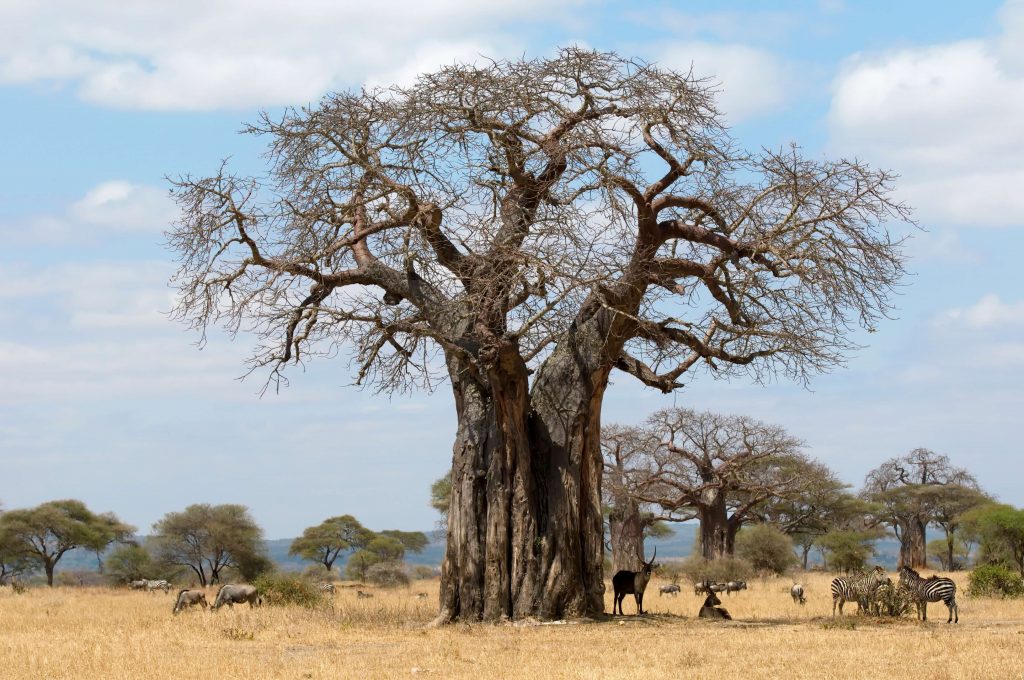
This is one of the most iconic trees in South Africa, the Baobab tree. This unique looking tree provides high levels of vitamin C to those who eat its fruit but is also known as the tree of life as it can store up to 4,500 litres of water in its trunk. This impressive looking but strange ‘upside down’ tree can grow up to 20 metres tall and can live up to 3000 years! One of the biggest baobab trees in South Africa may even out live that range.
The sheer size of this tree means they can create and sustain their own mini-ecosystems- how good is that! As the tree ages it’s centre hollows, providing shelter to birds and other animals. These trees are popular among tourists and are ones to see. Scientists have been looking into the mysterious deaths of some of South Africa’s oldest trees and it is thought that climate change has something to do with it. The deaths of these trees have a big impact of the South African landscape, as addition to shade, the tree’s bark, roots, seeds, and fruit are key food sources for many animals.
The bad- Tamboti tree (Spirostachys Africana)
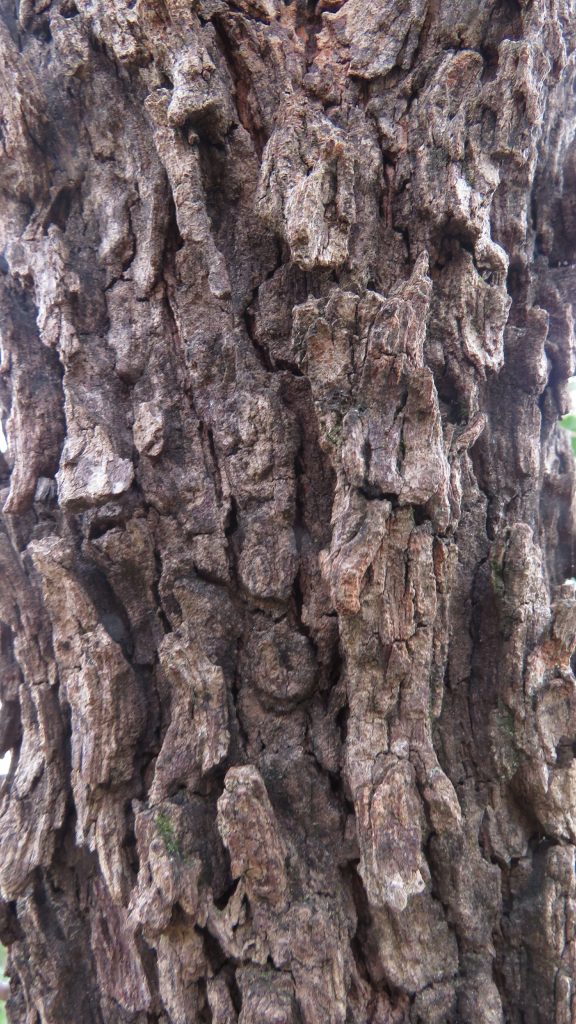
The Tamboti tree is a widespread tree which is found along South Africa’s east coast across the Kruger Park area and into Zimbabwe. The tree grows up to 10 metres in height, the bark is rough and grey and forms chunky flakes and is usually found in low-lying bush near rivers or streams.
It may look like an ordinary tree, but it is not one to mess with! It has a milky latex which is very poisonous! Plucking at the leaves can cause burning and if you are unlucky to get it in your eyes, it can cause temporary blindness in humans and livestock and is known to cause permanent eye damage. To make matters worse, if you burn the wood, it will cause nausea and headaches, even handling the wood can cause irritation. Nonetheless, it is a popular food source for many species of antelope, elephants, monkeys, black rhino and porcupines. The sap from the trees has been used for centuries by the local tribes for fishing and for hunting as they apply it onto the tips of their spears.
That is some serious evolutionary defence mechanisms to protect itself, especially against humans!
The Eerie – The Bloodwood Tree (Pterocarpus angolensis)
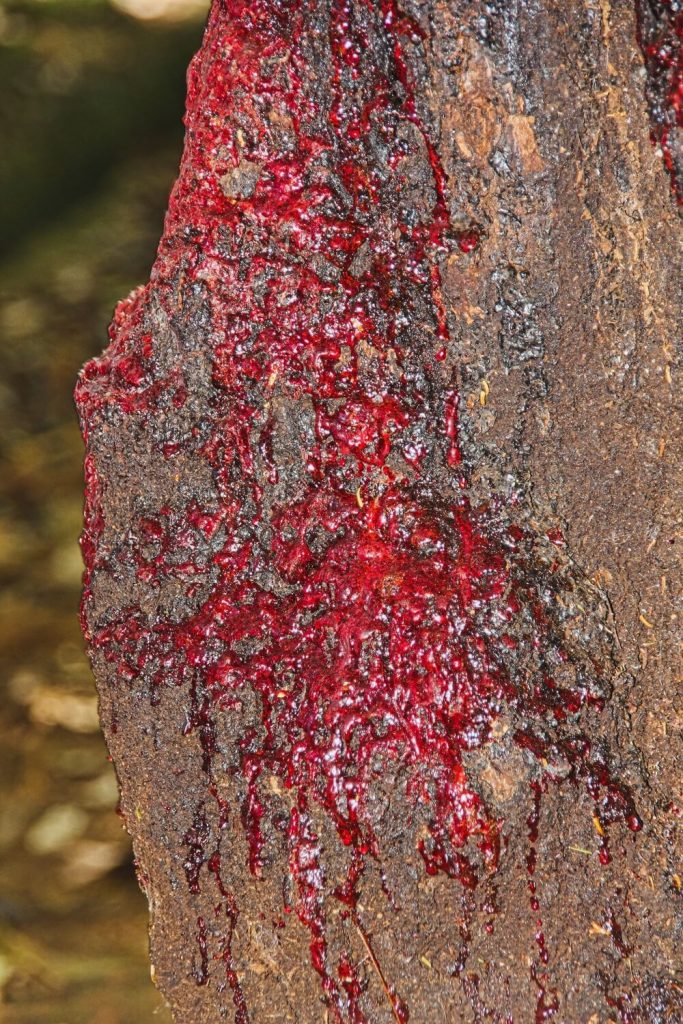
The Bloodwood tree in indigenous to Southern Africa and gets its name as it drips red fluid, like human’s bleed, when cut. Very eerie! The red sap looks like blood and its purpose is to act like blood too. It has been scientifically proven to promote healing, to coagulate and seal the wounds of broken branches. Though it is eerie to watch a chopped tree drip with red fluid, locals believe the tree is magical and has healing properties. The sap is a gum known as ‘kino’ and the blood red colour is a chemical called tannin, the same ones found in wine. In Bloodwood tannin levels are as high as 77%, whereas compared to other plants it ranges from 12 to 20%.
The branches of this tree are used to cure malaria, ringworm, eye problems, sharp pains, blackwater fever and stomach problems. Breastfeeding mothers are encouraged to use the sap to increase the production of breastmilk. It is also used in some beauty products. Unfortunately, the Bloodwood tree is now endangered because of deforestation. In South Africa, this magical tree has been named a protected tree and it is illegal to cut it down.
Come back next Friday for more interesting facts, #factfriday !

